Pottery from Patambán
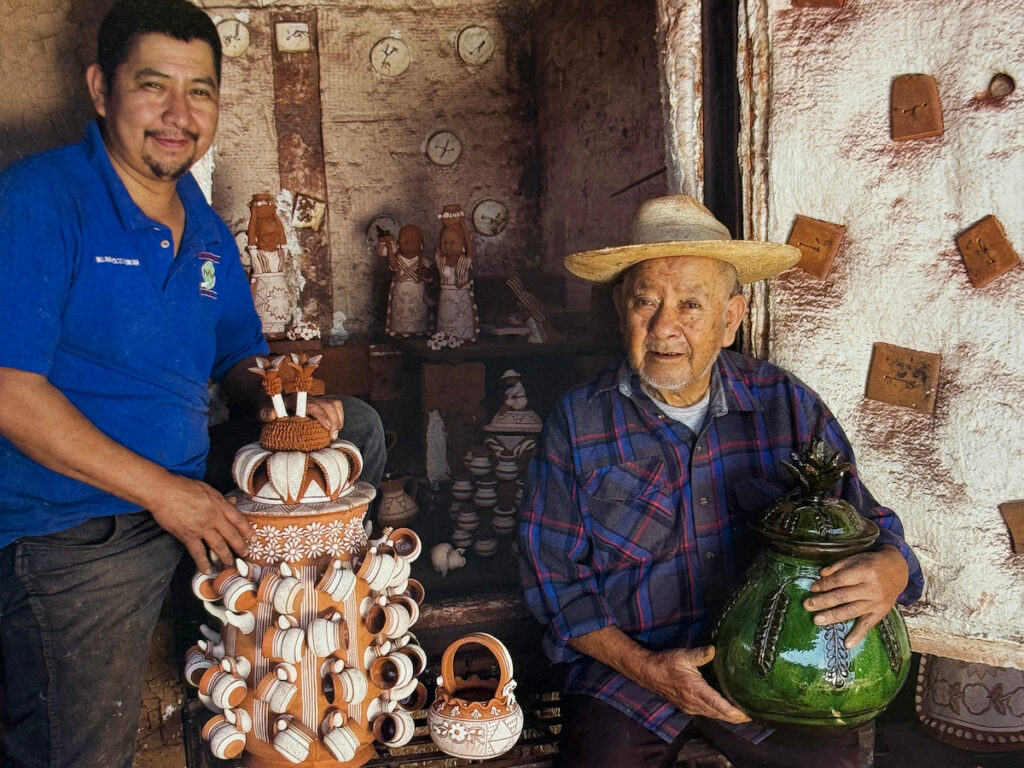
The Hands Behind the Craft Pottery from Patambán This collection of red clay pottery from the Purépecha town of Patambán, Michoacán, reflects the mastery of Don Neftalí Ayungua, recognized as a Great Master of Mexican Folk Art by Fomento Cultural Banamex. For over 70 years, he has crafted iconic pieces from the region’s distinctive charanda clay (“red soil”), adorned with delicate white details. Don Neftalí shared his knowledge generously with schools and local artisans. Today, his legacy lives on through his son, José Neftalí Ayungua, and the many artisans he mentored throughout his career. Pottery from Patamban Red Clay Chandelier by Artisans in Patamban Pottery from Patamban Pottery from Patamban
Pottery from Huáncito
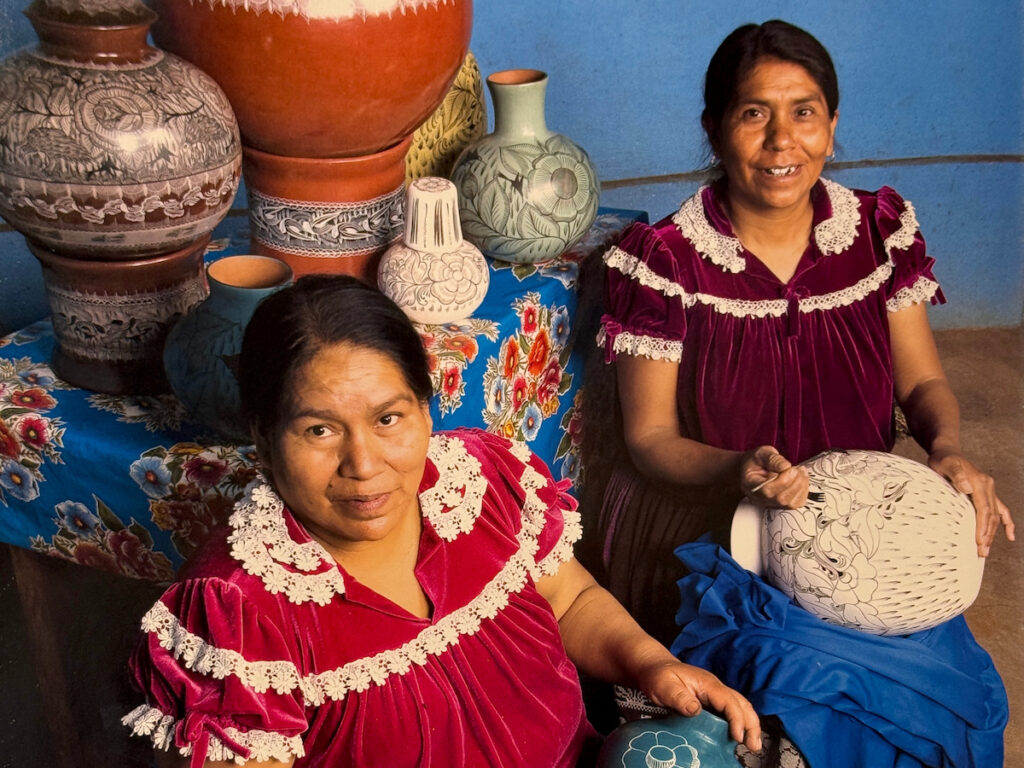
The Hands Behind the Craft Pottery from Huáncito Discover the vibrant pottery of Huáncito, Michoacán, a Purépecha Indigenous community renowned for its distinctive clay artistry. Here, artisans craft platters, vessels, and striking cántaro towers, each burnished to a satiny finish and adorned with delicate, lace-like motifs painted in natural pigments. Our collection showcases the work of Elena Felix and Bernardina Rivera, master potters who began their craft at age 12 and went on to win national awards, including recognition as Great Masters of Folk Art by Fomento Cultural Banamex. Pottery from Huáncito Pottery from Huáncito Pottery from Huáncito Pottery from Huáncito
Vibrant Otomí Textiles
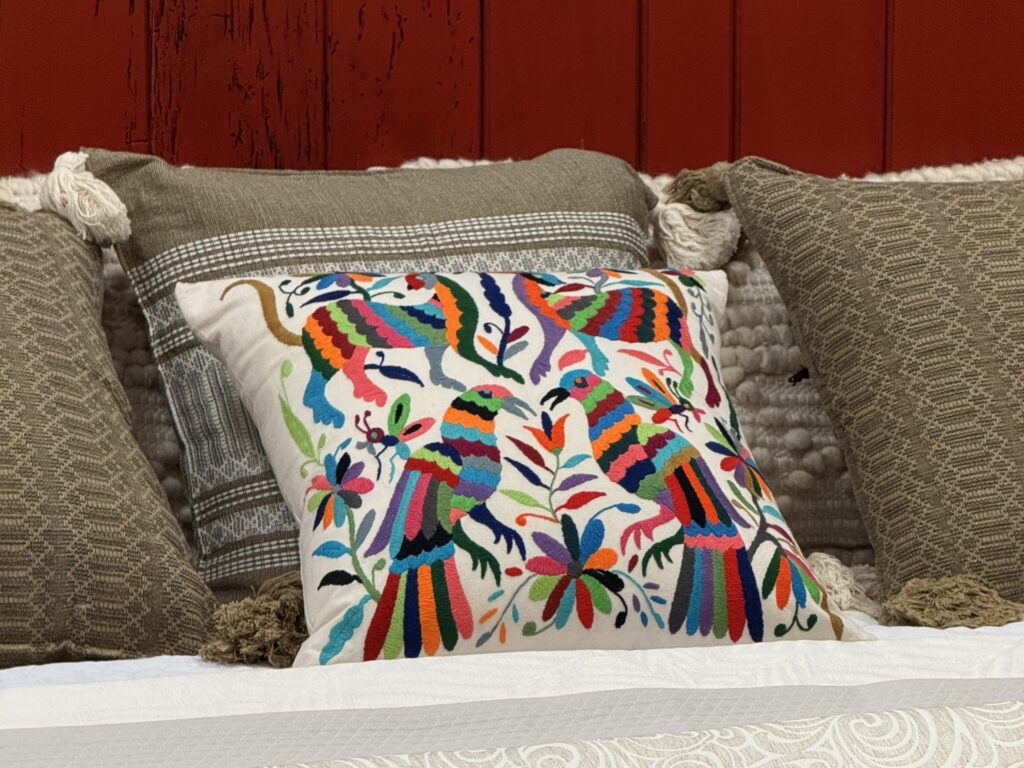
The Hands Behind the Craft Vibrant Otomí Textiles In the mountains of Tenango de Doria, Hidalgo, lies one of the largest Otomí (hñähñu) communities, an indigenous people of central Mexico whose roots stretch back thousands of years. Their language, beliefs, and art continue to thrive today, most vividly in their textiles, known as tenango embroidery. Hand-stitched and said to be inspired by ancient cave paintings, these designs tell stories of landscapes, myths and the spirit world, with natural elements like deer, birds, and flowers symbolizing themes like fertility, transformation, and the deep bond between humans and nature. Vibrant Otomí Textiles Tenango-Embroidered Table & Bed Runners from Hidalgo Coverlets by DUES Textil with Handwoven Mexican Pillows and Runners
Oaxacan Textiles in Cotton and Wool
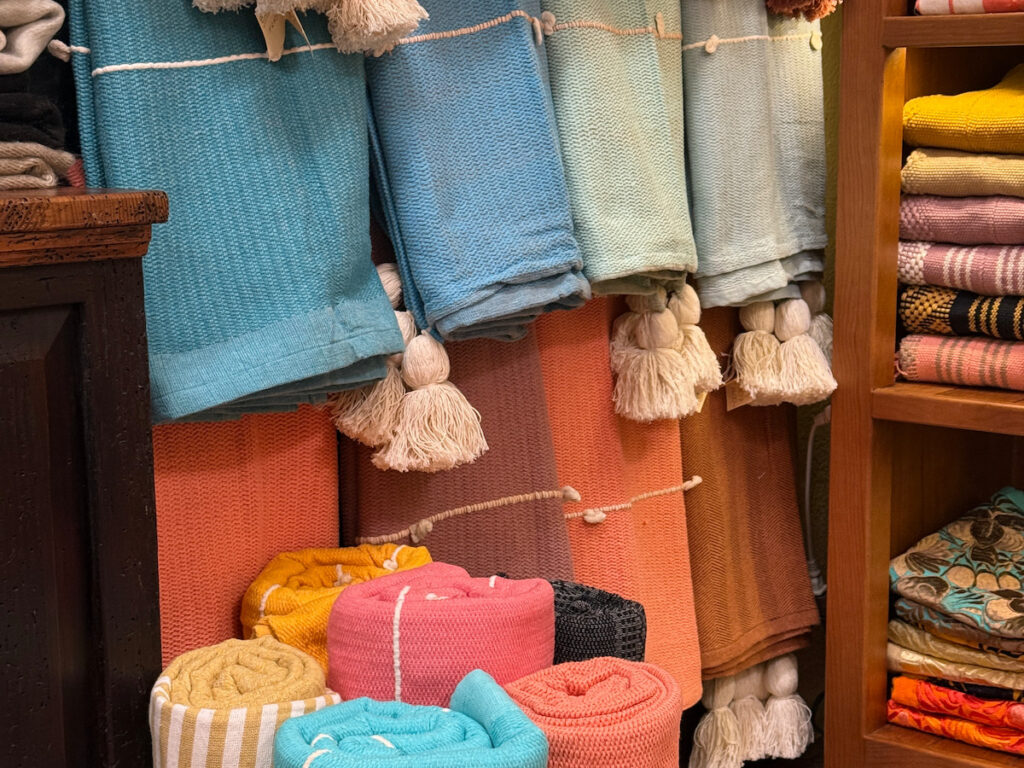
The Hands Behind the Craft Oaxacan Textiles in Cotton and Wool The bulk of our textiles comes from Teotitlán del Valle, Oaxaca, where the ancient Zapotec weaving tradition has thrived for over 2000 years. Cotton and wool are dyed using vibrant pigments derived from insects and plants–among them cochineal, indigo, and turmeric–to create intricate pillow shams, runners, bedspreads, and rugs. The dyed yarn is then expertly woven on traditional pedal looms. Depending on the size and complexity of the design, a single Zapotec textile can take anywhere from a few days to several months to complete. Bedspreads, Shams, and Decorative Pillows from Oaxaca Cotton and Wool Throw Blankets from Oaxaca Decorative Pillows in Cotton and Wool from Oaxaca Gray and Turquoise Decorative Pillows from Oaxaca Placemats and Napkins from Oaxaca in Cotton and Linen Wool Decorative Pillows from Oaxaca
Elegant Sculptures by Loretta Bertoli
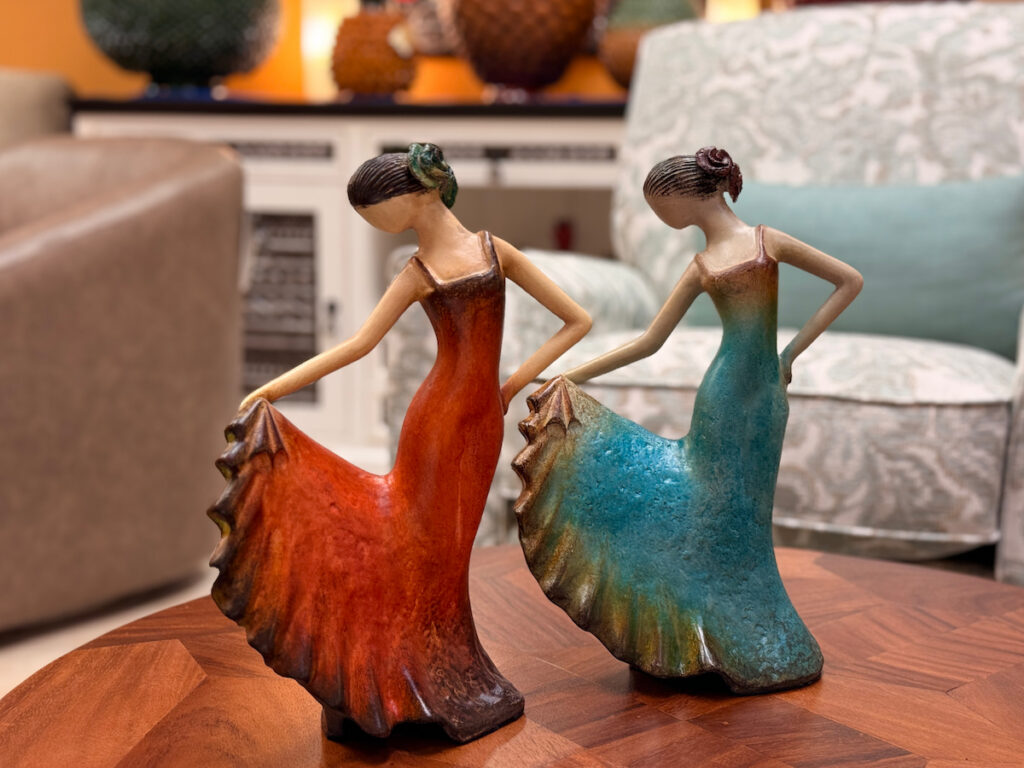
The Hands Behind the Craft Elegant Sculptures by Loretta Bertoli Behind our collection of graceful feminine sculptures is Italian-born artist Loretta Bertoli, who brings inspiration from the landscapes of eastern Italy, as well as Roman and Byzantine art, to Mexico, where she founded Amano Trade. In her own words: “At Amano Trade, the hands of ancient Mexican pottery tradition refine the most humble material, clay, and with water and fire, they create forms contaminated by the memories of the ‘Old World’ that I carry marked in me. The colors of Mexico soften their vibration and expand into a number of nuances evoking a refined elegance.” – Loretta Bertoli Nadia Floor Sculpture by Loretta Bertoli Resting Mermaid Sculpture by Loretta Bertoli Blue Fall Leaves Sculpture by Loretta Bertoli Small Dancer Sculptures by Loretta Bertoli Small Female Form Sculptures by Loretta Bertoli
Celebrating the Legacy of Bernardo Camacho Quiroz
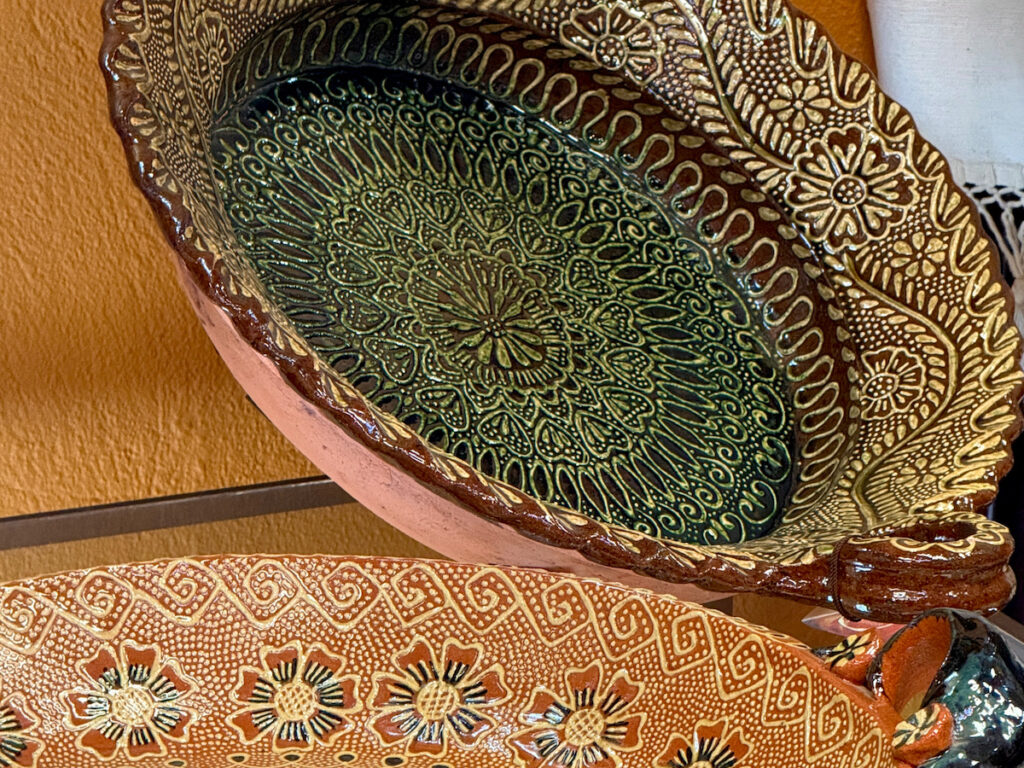
The Hands Behind the Craft Celebrating the Legacy of Bernardo Camacho Quiroz This collection celebrates the life and work of Bernardo Camacho Quiroz, a fourth-generation ceramist from Metepec, México, who began shaping clay at the age of six and dedicated his life to the craft. His spirit lives on through his pottery and the cultural heritage he helped preserve. Bernardo shared his work internationally, exhibiting glossy hand-painted dishes, clay stoves, and other functional yet decorative pieces. In 2014, he earned a Guinness World Record for creating the world’s largest clay cazuela. burnished clay casserole by Bernardo Camacho Quiroz Hand-Painted Red Clay Stoves by Bernardo Camacho Quiroz Decorative Clay Bull with Jugs by Bernardo Camacho Quiroz Decorative Red Clay Vessel by Bernardo Camacho Quiroz
Piñas from Michoacán & the Pastillaje Technique
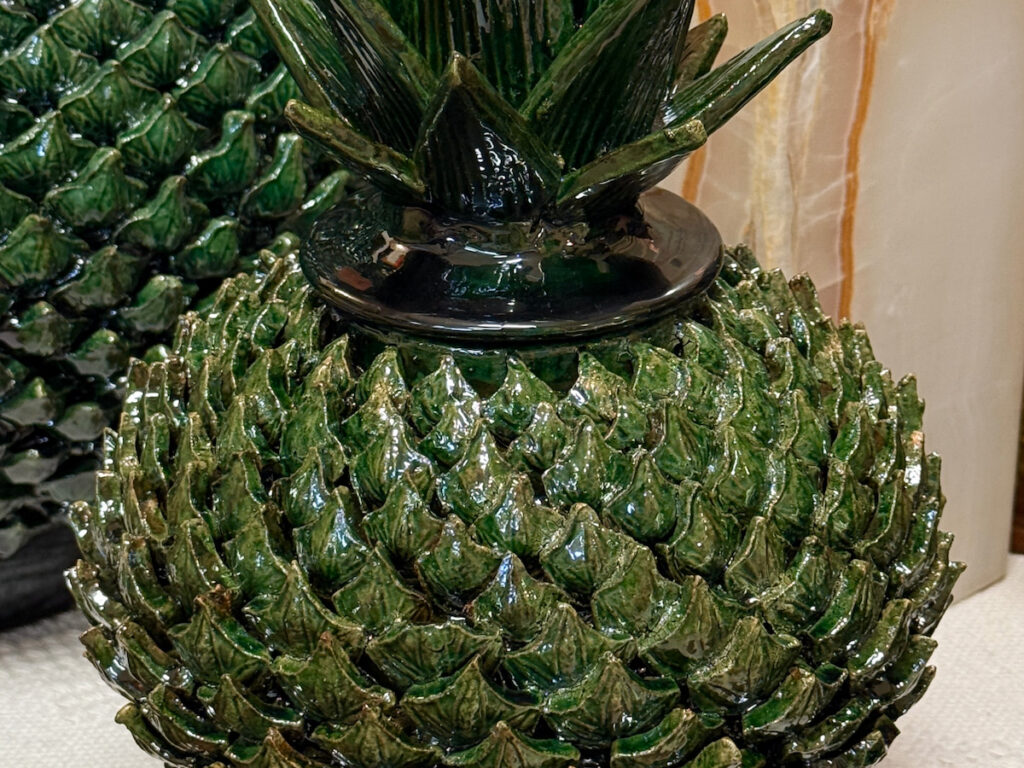
The Hands Behind the Craft The Pastillaje Technique Born from the hands of master artisans in San José de Gracia, Michoacán, our collection of piñas reflects artistry and tradition passed down over generations. Each piece is crafted by hand from clay and tepetate (a form of volcanic rock), then meticulously adorned using the traditional technique of pastillaje. Every tiny petal, scale, and spine is shaped between the fingertips, with thousands of delicate pieces coming together to form each finished masterpiece. Assortment of Clay Pineapples from Michoacán Blue and Yellow Decorative Clay Pineapples from Michoacán Decorative Clay Candelabras from Michoacán Large Decorative Clay Pineapple from Michoacán in Deep Green Large Glossy Clay Candelabra from Michoacan Medium Blue Pineapple and Rooster from Michoacán Mini Decorative Clay Pineapples from Michoacán